
Eye Examinations
Comprehensive Eye Examination: Diagnostic Methods and Preventive Eye Care
Many people believe that if they can see clearly, their eyes are healthy. However, vision clarity is only one part of overall eye health. Several eye conditions develop silently without noticeable symptoms, making regular eye check-ups essential.
Introduction
Many people believe that if they can see clearly, their eyes are healthy. However, vision clarity is only one part of overall eye health. Several eye conditions develop silently without noticeable symptoms, making regular eye check-ups essential.
A comprehensive eye examination goes beyond checking your vision. It evaluates the overall health of your eyes, detects early signs of diseases, and helps prevent future complications.
At Annapoorna Eye Hospital, advanced diagnostic tools and expert care ensure that your eyes are thoroughly examined, even before symptoms appear.
Symptoms
You may need a comprehensive eye examination if you experience:
- •Blurred or fluctuating vision
- •Frequent headaches
- •Eye strain or fatigue
- •Difficulty seeing at night
- •Dryness or irritation in the eyes
- •Redness or excessive watering
- •Sensitivity to light
- •Difficulty focusing on screens or reading
Even without these symptoms, regular eye exams are important, as many conditions develop without early warning signs.
Causes & Conditions
Several underlying conditions may not show immediate symptoms but can be detected through a comprehensive eye exam:
- •Refractive errors: Myopia, hyperopia, and astigmatism
- •Glaucoma: Increased eye pressure damaging the optic nerve
- •Cataracts: Clouding of the eye's natural lens
- •Diabetic eye disease: Damage caused by high blood sugar
- •Dry eye syndrome: Insufficient tear production
- •Retinal conditions: Affecting the back of the eye
Risk factors include:
- •Prolonged screen time
- •Aging
- •Diabetes or high blood pressure
- •Family history of eye diseases
- •Environmental exposure (dust, pollution)
Early detection of these conditions helps prevent serious vision problems.
Treatments / What Happens During an Eye Examination
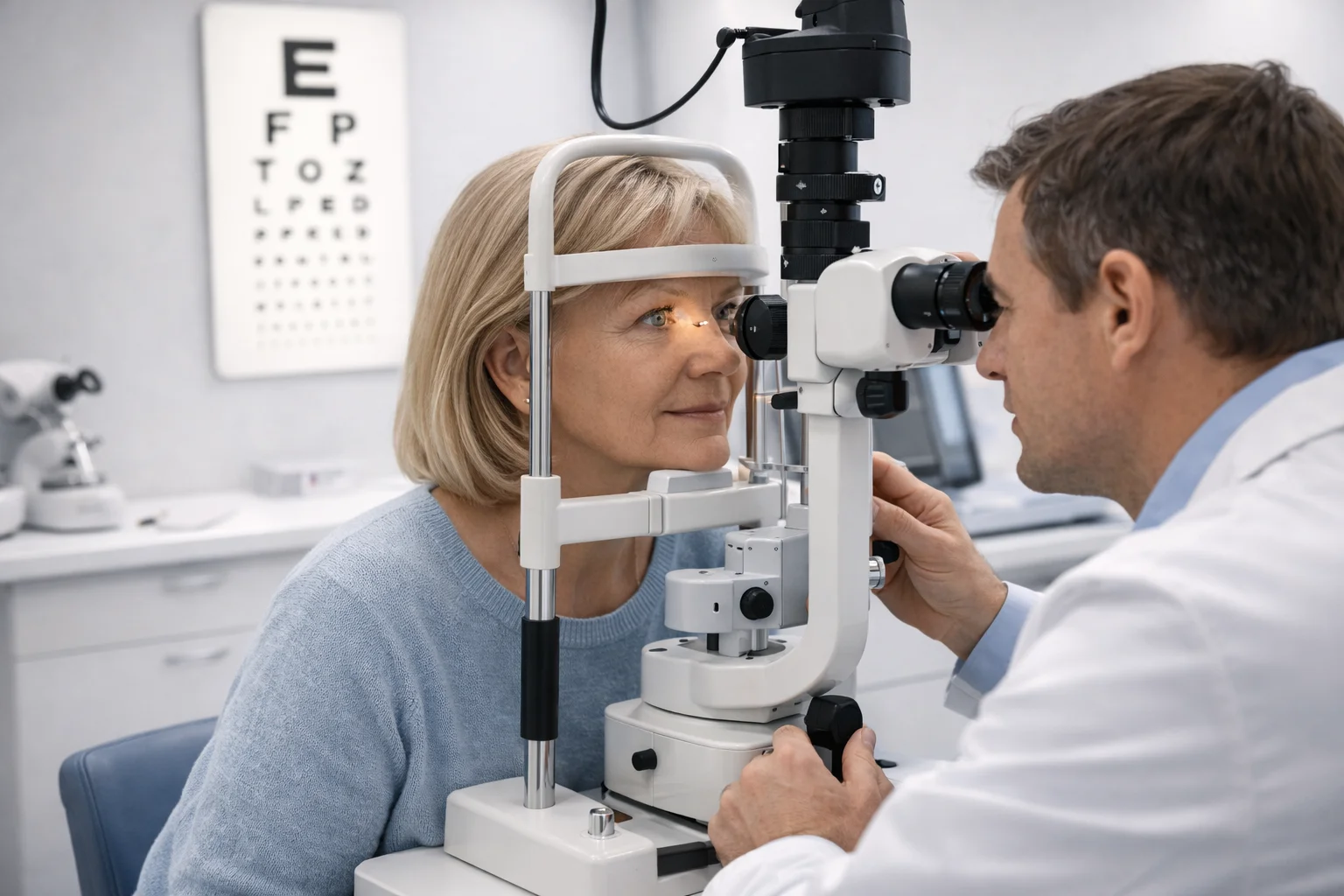
A comprehensive eye exam is not just one test—it includes multiple evaluations to assess both vision and eye health.
At Annapoorna Eye Hospital, examinations include:
- •Vision Testing: Checks clarity and need for glasses
- •Eye Pressure Test: Screens for glaucoma
- •Retinal Examination: Evaluates the back of the eye
- •Refraction Test: Determines accurate lens power
- •Slit Lamp Examination: Examines eye structures in detail
- •Digital Imaging: Detects early changes in eye health
Based on Results, Treatment May Include:
- •Prescription glasses or contact lenses
- •Eye drops for dryness or infection
- •Management of conditions like glaucoma or cataracts
- •Lifestyle and preventive care advice
- •Regular monitoring for chronic eye conditions
Conclusion
Clear vision does not always mean healthy eyes. Many eye conditions develop silently and can only be detected through regular examinations.
A comprehensive eye exam is one of the most important steps in protecting your vision and preventing long-term complications.
At Annapoorna Eye Hospital, advanced technology and personalized care ensure early detection, accurate diagnosis, and effective management of eye conditions.
Don't wait for symptoms to appear — regular eye check-ups can help preserve your vision and maintain healthy eyes for years to come.
Related Articles
View AllEye Checkup
Importance of Regular Eye Checkups
Healthy vision is essential for performing everyday activities such as reading, working, and driving.
Eye Care & Wellness
Common Eye Problems and How to Prevent Them
Eye problems are common and can affect people of all ages. Lifestyle habits, aging, environmental factors, and excessive screen …
Eye Care & Wellness
Digital Eye Strain: Causes and Prevention
Digital devices such as computers, smartphones, and tablets are widely used today, but excessive screen time can cause digital …